

Read the latest issue of Dairy Market Drivers, a bi-weekly report from IDFA partner Ever.Ag. Dairy Market Drivers features spotlight data, key policy updates, and a one-minute video that covers timely topics for the dairy industry.
Dairy Market Drivers: New Dietary Guidelines Promoting Dairy; Expanded Access to GLP-1; and State of the American Consumer in a Minute!
Quick Bites: Eating Less But Still Eating Out
- The chatter about weight loss medications just got louder with the release of the first-ever GLP-1 weight loss pill. This option comes at a lower cost than the injectable form, and it’s easier for needle-adverse users to take.
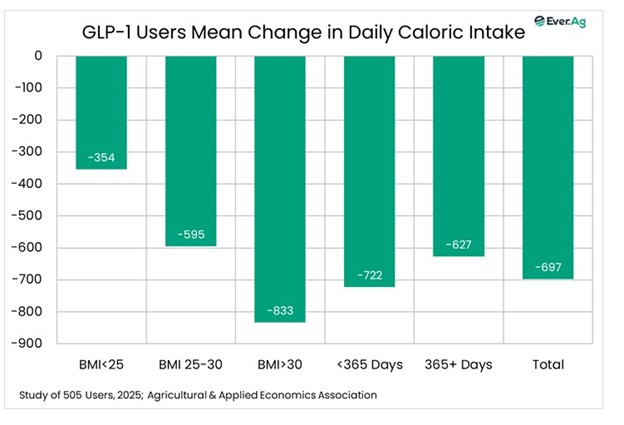
- What does broader use of GLP-1 medications mean for the restaurant business? It has already been documented that people on the drug eat less food – an average of nearly 700 calories less per day, according to a 2025 survey by the Agricultural & Applied Economics Association.
- About a third of users said they visit restaurants less often, a report from Technomic revealed, and a third also chose healthier foods when ordering. The top menu items avoided by this group were fried appetizers, desserts, bread, pasta and pizza.
- But after an initial dip in restaurant spending when people first start on the medication, Circana data showed a slight increase in expenditures when eating out. GLP-1 users spend, on average, 0.9% more at restaurants after a year on the medication. More specifically, casual dining restaurant spending climbed by 4.1% on average, while QSR purchases rose by 0.6%.
- People using GLP-1 medications tend to choose nutrient-dense, protein-filled menu items and shy away from more processed foods, sweet drinks and alcoholic beverages. This mirrors their shopping habits, with Circana data indicating a 1.6% decrease in spending on packaged goods and beverages, including alcohol.
Today's Special
- Nutrition guidance is undergoing a reset. The newly released Dietary Guidelines for Americans moves away from decades of low-fat, grain-first advice and refocuses on "real foods", nutrient density and protein.
- Dairy emerged among the top recommendations. Dairy is still endorsed at three servings per day, and full-fat dairy products are now encouraged – not discouraged as it had been in previous guidelines.
- Protein is a priority for every meal. Whether animal- or plant-based, the new guidelines aim to fill frequently identified dietary gaps. Notably, foods that provide protein, including dairy and beef are highlighted at the top of the inverted food pyramid.
- This shift in dietary guidelines follows stubborn health trends. More than 40% of U.S. adults are obese, and Type 2 diabetes and metabolic disease rates have climbed even as Americans were urged to reduce saturated fat intake. Meanwhile, most consumers still fall short on their daily intake of calcium, vitamin D, and iron.
- Policymakers and health experts increasingly point to food quality as the missing piece. Highly processed foods and added sugar remain under scrutiny, while policy makers push for whole foods to regain ground in healthy diets.
- The economic ripple effects could be sizable. Federal nutrition programs, which are based on the recommendations of the Dietary Guidelines for Americans, influence billions of dollars in annual food purchases. Even small adjustments in guidance can reshape school menus, foodservice offerings and grocery shelves. For dairy, the guidance signals renewed policy support, potentially influencing school meals, federal nutrition programs and long-term consumer demand.