
Whole genome sequencing (WGS) has become the gold standard for microbial characterization, transforming food safety through outbreak surveillance, source tracking, and improved understanding of pathogen diversity. Yet for food manufacturers focused on preventive controls, the challenge lies in balancing the depth of genomic insights with the need for faster, simpler, and more actionable results. This webinar explores how microbial typing is evolving to meet these demands, beginning with an overview of WGS and its critical role in dairy and food safety. Speakers will also discuss low-moisture environmental-relevant pathogens, such as Cronobacter and Salmonella, where ongoing efforts to expand genomic databases are essential for enhancing risk assessment, strain tracking, and method development.
Building on this foundation, the webinar introduces the bioMérieux TYPER method as a practical complement to WGS, offering laboratories a faster and more accessible way to characterize and differentiate strains for routine decision-making. A real-world Cronobacter case study illustrates both the continued importance of WGS in building foundational knowledge and the need to translate that knowledge into practical tools and industry collaboration. Attendees will gain insight into when WGS remains indispensable, where complementary approaches like bioMérieux TYPER add value, and how the industry can move from data generation to faster, more confident food safety decisions.
Speaker:
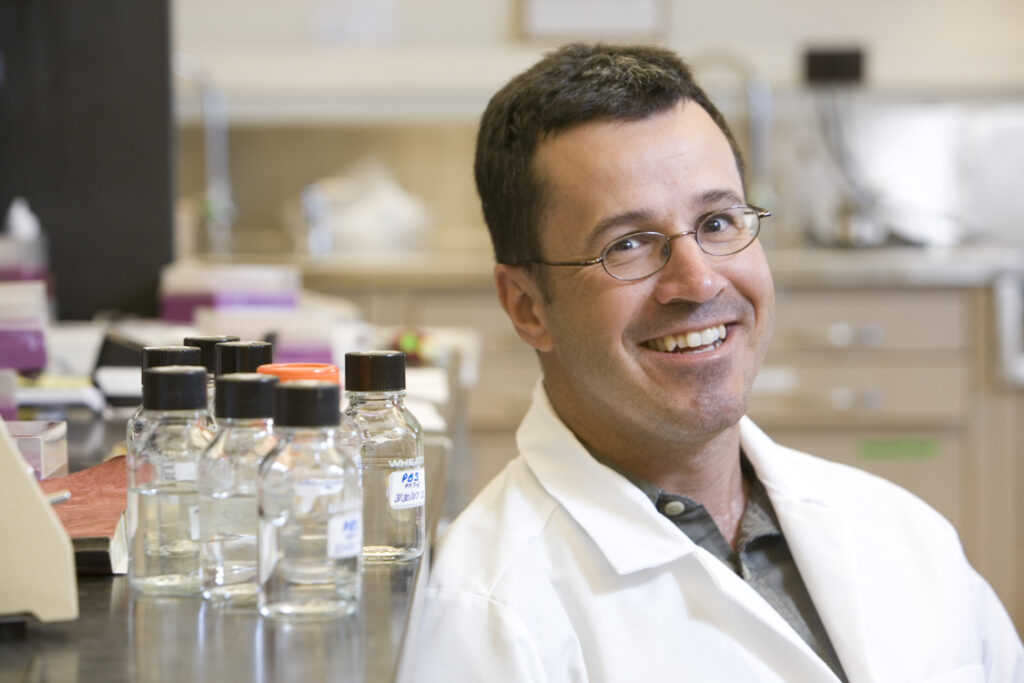
Martin Wiedmann, DVM, PhD
Gellert Family Professor in Food Safety, Food Science, Cornell University College of Agriculture and Life Sciences
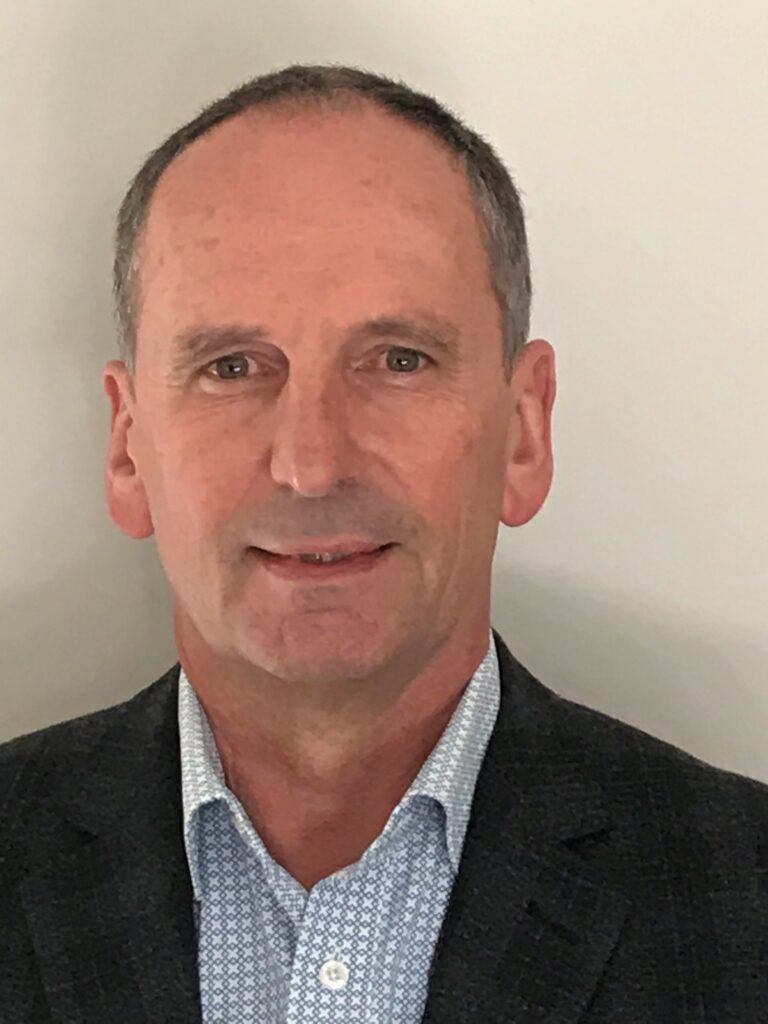
Jack Van Der Sanden
Senior Food Safety Advisor, BioMerieux
Moderated by:
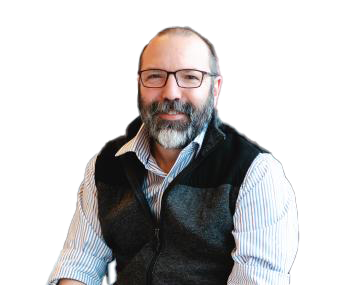
Samuel Alcaine, PhD
Vice President, Regulatory and Scientific Affairs