
Overview

IDFA’s Regulatory RoundUP virtual conference returns this fall with a jam-packed lineup of current and former federal regulatory officials and regulatory experts from IDFA and other organizations serving the food and beverage and nutrition sectors. This is a once-per-year, can’t-miss event, for dairy and other food professionals that:
- inform the development and implementation of federal food safety, labeling, and nutrition policies;
- drive regulatory compliance with federal and state standards;
- perform quality assurance and quality control functions in facilities;
- and provide legal expertise and advice.
Join us from 12:00 – 4:30 p.m. Eastern on October 28 and from 12:00 – 3:45 p.m. Eastern on October 29 for exclusive sessions with key regulatory experts.

Agenda
*All Times Eastern Print Agenda
| October 28, 2026 | Event | Speaker | Location |
|---|---|---|---|
| 12:00pm - 12:15pm |
Welcome and Kickoff
|
||
|
|
|||
| 12:15pm - 1:15pm |
Session I: FDA Human Foods Program 2026 Priorities and Key Updates
|
||
|
Get FDA Human Foods Program updates directly from agency leaders overseeing microbiological and chemical food safety and nutrition. This timely session will provide insights into emerging policies, regulatory priorities, and compliance expectations affecting the food industry. Following the presentations, attendees will have the opportunity to engage in an interactive Q&A, ask questions, and gain clarity on how FDA policies may impact their organizations. |
|||
| 1:15pm - 2:15pm |
Session II: What’s Ahead for MAHA and Food & Nutrition Policymaking
|
||
|
The Make America Healthy Again (MAHA) initiative has sparked significant changes across the U.S. food system. From evolving federal dietary guidelines and heightened scrutiny of food additives to a growing wave of state-level policy activity, the regulatory landscape is changing rapidly. At the same time, consumers increasingly view ingredient regulation through the lens of food safety, raising the stakes for policymakers and industry alike. In this one-hour session, leading experts will explore the forces shaping federal and state food and nutrition policy and offer predictions for what lies ahead over the next 12 to 24 months.
|
|||
| 2:15pm - 2:30pm |
Break
|
||
|
|
|||
| 2:30pm - 3:15pm |
Session III: Food Fights in the Courtroom
|
||
|
This year’s annual litigation update includes class action litigation, focusing on trends and developments related to state-level ingredient bans, food labeling and warning requirements, California’s truth in recycling law, and state extended producer responsibility (EPR) laws. Hot topics in labeling litigation include the continued focus on protein and sugar content, as well as “no artificial” type claims, among others. Join Veronica Colas as she explores recent decisions, how your companies should think about compliance in light of pending litigation, lessons learned your company can leverage from these lawsuits, and how we might forecast the future. |
|||
| 3:15pm - 4:00pm |
Session IV: Understanding Food Recalls from the Consumer Perspective
|
||
|
Hundreds of food recalls are announced each year. Yet not every recall applies to every consumer. In this presentation, we will discuss the challenges consumers face generated by the current recall system. We will also present data collected from a representative sample of more than 3,000 Americans to discuss consumer beliefs (and misperceptions) about food recalls, where they hear about them, how often they look for recalled products, and how often they share information about them with others. Finally, we will show examples of a new template designed (and tested) to overcome many of the challenges in efficiently and effectively communicating about food recalls with consumers. |
|||
| October 29, 2026 | Event | Speaker | Location |
| 12:00pm - 1:00pm |
Session V: GRAS and Environmental Contaminants Under the Microscope
|
||
|
The GRAS (Generally Recognized as Safe) framework may be on the verge of its most significant transformation in decades. Driven by the Make America Healthy Again (MAHA) initiative and anticipated FDA actions, the longstanding era of self-affirmed GRAS determinations could give way to greater agency oversight, mandatory notifications, and increased post-market scrutiny. At the same time, heightened attention to environmental contaminants is raising new questions about ingredient safety, transparency, and supply chain risk. This session will examine the evolving regulatory landscape and its implications for food additive development, compliance, product safety, and risk management. |
|||
| 1:00pm - 1:45pm |
Session VI: Ultra-Processed Foods and Emerging Policy Challenges
|
||
|
This session explores the urgent push to define and regulate ultra-processed foods (UPFs) across the U.S. Panelists will analyze the effect of inconsistent state laws to federal definitions, examine food certification programs, and discuss how evolving research will shape national nutrition policies and dietary guidelines. |
|||
| 1:45pm - 2:00pm |
Break
|
||
|
|
|||
| 2:00pm - 3:00pm |
Session VII: The Science, Strategy, and Legal Implications of Advanced Microbial Typing
|
||
|
Advanced microbial typing technologies, including whole-genome sequencing and other strain-typing tools, are transforming how dairy companies investigate pathogens, trace sources, and conduct root-cause analyses. This session will explore both the scientific value and practical challenges of these technologies, including data interpretation, regulatory expectations, legal considerations, and risk-based decision-making. Featuring both scientific and legal perspectives, the discussion will be especially relevant for manufacturers managing risks related to Listeria monocytogenes, Salmonella, and Cronobacter and will provide practical insights for navigating an increasingly data-rich food safety environment. |
|||
| 3:00pm - 4:00pm |
Session VIII: FDA Inspection Updates and Compliance and Recall Trends
|
||
|
Explore FDA Human Foods Program efforts to modernize inspectional approaches, prioritize inspections and internal activities of inspectors, including with regard to Grade A dairy plants regulated under the PMO. In addition, trends in noncompliance and recalls and the agency’s enforcement priorities with a focus on dairy processors will be discussed. Join regulatory experts to learn and get your questions answered. |
|||
Welcome and Kickoff
Session I: FDA Human Foods Program 2026 Priorities and Key Updates
Get FDA Human Foods Program updates directly from agency leaders overseeing microbiological and chemical food safety and nutrition. This timely session will provide insights into emerging policies, regulatory priorities, and compliance expectations affecting the food industry. Following the presentations, attendees will have the opportunity to engage in an interactive Q&A, ask questions, and gain clarity on how FDA policies may impact their organizations.

Claudine Kavanaugh, PhD, MPH, RD
Dr. Kavanaugh is the Director of the Office of Nutrition and Food Labeling at the U.S. Food and Drug Administration. She has been with the FDA for 23 years and prior to leading ONFL, Dr. Kavanaugh led the Agency’s initiatives related to restaurant menu labeling and updating the nutrition facts label. Prior to joining the FDA, Dr. Kavanaugh was a cancer prevention fellow at the National Cancer Institute. Dr. Kavanaugh received her Ph.D. in nutrition from Purdue University and a Master’s in Public Health from Johns Hopkins University. She is also registered dietitian.

Mark Hartman
Mark has 35 years of experience working on chemical risk assessment and risk management issues in the federal government. Mark is currently the Director of the Office of Food Chemical Safety, Dietary Supplements and Innovation in the Human Food Program at FDA. His office is responsible for pre-market food chemical reviews including GRAS notices, food additive petitions, color additive petitions and food contact notifications. His office also is responsible for the dietary supplement regulatory program, the post market review program for food chemicals in the nation’s food supply, the contaminants program including Closer to Zero and biotech. Prior to joining FDA, Mark spending 27 years at the Environmental Protection Agency (EPA). Mark served as Deputy Director of the Office of Pollution Prevention and Toxics where he was responsible for administering the implementation of the Toxic Substances Control Act (TSCA) with an emphasis on oversight of the post-market chemicals prioritization, risk evaluation and risk management programs. Prior to this role, Mark served in multiple leadership positions in the Office of Pesticide Programs overseeing pre- and post-market risk assessment and regulatory work for pesticides. He holds master’s degrees from George Washington University and Syracuse University.

Conrad Choiniere, PhD
Conrad Choiniere, PhD, is the Director of the Office of Microbiological Food Safety at FDA’s Human Foods Program. He oversees regulatory policy for managing microbial risks in foods and developing strategies for the prevention of foodborne illness. He has been with the Agency for over twenty years working in a variety of roles, in both food safety and tobacco control, primarily focused on risk management and analysis, social and behavioral sciences, and executive leadership. Conrad has a doctorate in agricultural economics from the University of Maryland and a bachelor’s in chemical engineering from the Johns Hopkins University.
Session II: What’s Ahead for MAHA and Food & Nutrition Policymaking

Jared Rothstein
Jared is a research director at POLITICO’s AgencyIQ and oversees the organization’s food regulatory research division. Jared previously worked at the Consumer Brands Association, where he served as a subject matter expert on regulatory matters on behalf of major food, beverage, personal care, and household product brands. Prior to Consumer Brands, he engaged in regulatory affairs and advocacy at SOCMA, focusing on chemical and environmental regulations on behalf of the specialty chemical industry. Jared also previously worked in association management and consulting at Kellen, supporting a variety of clients in the building and construction products sector. He received a Bachelor of Arts in political science from George Washington University and resides in Washington, DC.

Scarlett Salem, MPH, MS
Scarlett is a Senior Research Analyst in AgencyIQ’s food and chemicals divisions. She previously worked as a consumer safety officer at the FDA, developing and implementing regulations and guidance for the safety of fresh produce. She also assisted with the development of education, outreach, and training activities for the produce safety program. In her most recent role, she worked as a writer/editor with the FDA’s Center for Drug Evaluation and Research developing public-facing editorial content covering regulatory and drug-related actions. She also has experience writing for several regional and national publications covering news, features, health, and fitness.
She holds a master’s in public health, a master’s in biology, and a graduate certificate in health communications.
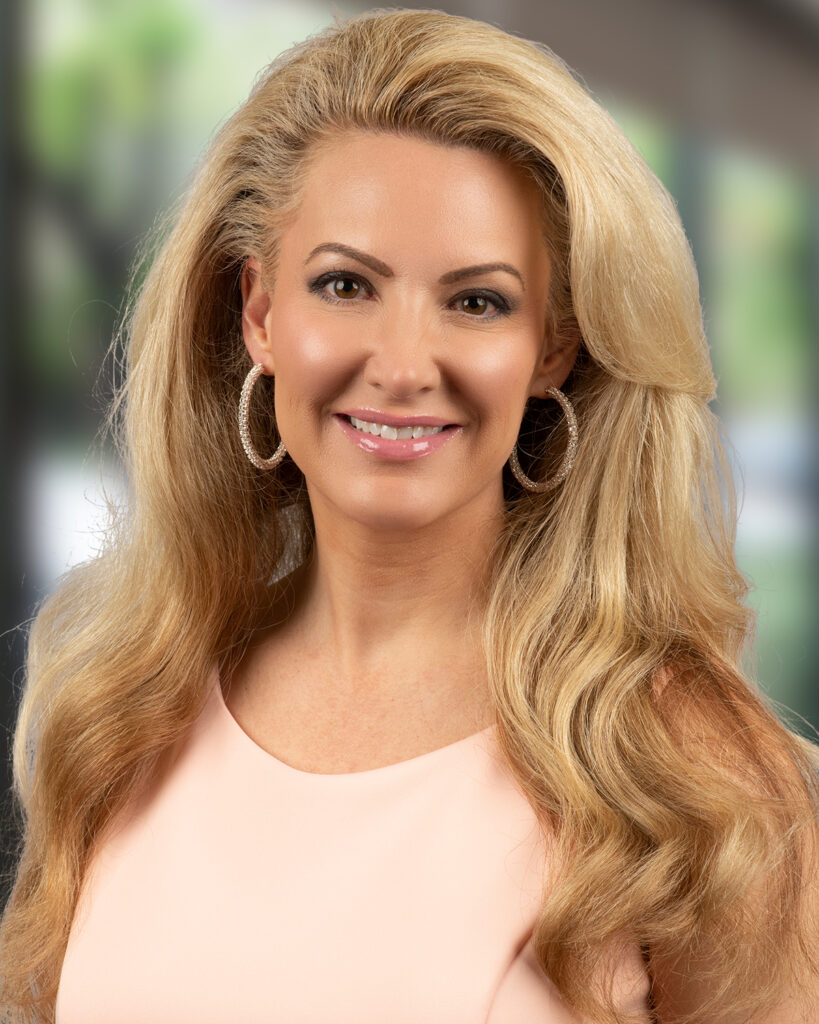
Wendy Reinhardt Kapsak
Wendy Reinhardt Kapsak, MS, RDN is President and CEO of the International Food Information Council (IFIC), a nonprofit 501c(3) research and education foundation focused on effectively communicating science-based information about food safety, nutrition, and sustainable food systems, serving the public good.
Prior to joining IFIC, Wendy served as the President and CEO of the Produce for Better Health Foundation (PBH) (now known as the Foundation for Fresh Produce). At PBH, she guided the Foundation’s efforts with hundreds of public and private partners to advance fruit and vegetable consumption for happier, healthier lives. Under her leadership and through a two-year transformation, the organization launched the Have A Plant® Movement in 2019, which today inspires millions of consumers to eat and enjoy more fruits and vegetables every day.
From 2012 to 2016, Reinhardt Kapsak held multiple leadership positions in the Food, Nutrition & Health Partnerships as well as Corporate Engagement verticals at what is now known as Bayer Crop Science. While in these roles, her efforts focused on connecting the food, nutrition, culinary, and agriculture communities for greater understanding, collaboration, and innovation.
Wendy returned to IFIC after a previous tenure from 2000–2012, including service as Senior Director, Health & Wellness. During this time, she directed food and nutrition communication strategies, including consumer research, opinion leader and media outreach, as well as publications and partnerships, for multiple food safety, nutrition, and agriculture issues.
Wendy earned bachelor’s and master’s degrees in nutrition and exercise science from the University of Missouri, Columbia, and James Madison University, respectively. She completed her dietetic internship at Yale-New Haven Hospital — an affiliate of the Yale University School of Medicine.
Break
Session III: Food Fights in the Courtroom
This year’s annual litigation update includes class action litigation, focusing on trends and developments related to state-level ingredient bans, food labeling and warning requirements, California’s truth in recycling law, and state extended producer responsibility (EPR) laws. Hot topics in labeling litigation include the continued focus on protein and sugar content, as well as “no artificial” type claims, among others. Join Veronica Colas as she explores recent decisions, how your companies should think about compliance in light of pending litigation, lessons learned your company can leverage from these lawsuits, and how we might forecast the future.

Veronica Colas
Veronica is a Partner in Hogan Lovells’ food and beverage regulatory practice in Washington, DC. She has practiced in this area for 15 years, and counsels clients on the regulations and policy issues affecting food companies, ranging from labeling and advertising to product formulation issues. Veronica is a go-to on the state laws that affect packaging for foods and other consumer products, including extended producer responsibility and California’s SB 343. She counsels clients on developing and supporting labeling claims, using her deep understanding of the regulations and litigation environment.
Session IV: Understanding Food Recalls from the Consumer Perspective
Hundreds of food recalls are announced each year. Yet not every recall applies to every consumer. In this presentation, we will discuss the challenges consumers face generated by the current recall system. We will also present data collected from a representative sample of more than 3,000 Americans to discuss consumer beliefs (and misperceptions) about food recalls, where they hear about them, how often they look for recalled products, and how often they share information about them with others. Finally, we will show examples of a new template designed (and tested) to overcome many of the challenges in efficiently and effectively communicating about food recalls with consumers.

William Hallman, PhD
Dr. William K. Hallman is a Distinguished Professor in the Department of Human Ecology and a member of the graduate faculties of the Department of Nutritional Sciences and the Bloustein School of Planning and Public Policy at Rutgers, the State University of New Jersey. He is a research psychologist whose scholarship and teaching focus on helping people understand and make better-informed decisions about the risks and benefits associated with food, health, technology, and the environment. His research includes seminal studies on Americans’ knowledge, beliefs, attitudes, and behaviors regarding food safety, foodborne illness, and food recalls.
He has authored more than 250 papers, chapters, reports, and other publications, and has delivered over 600 presentations in more than 40 countries. He has served as an advisor to national and international governmental and non-governmental organizations in the food and agriculture sectors, as a consultant to private companies, and as an expert witness in litigation.
Dr. Hallman is an elected Fellow of the American Association for the Advancement of Science (AAAS) and an elected Fellow of the Society for Risk Analysis (SRA). He has served as Chair of the Department of Human Ecology and as Director of the Rutgers Food Policy Institute, and as Chair of the US Food and Drug Administration (FDA)’s Risk Communication Advisory Committee. He also served as a U.S. Delegate to the Asia-Pacific Economic Cooperation (APEC) Food Safety Cooperation Forum, which published the APEC Food Safety Risk Communication Framework and Associated Guidelines.
He is a co-author of the Risk Communication Applied to Food Safety Handbook, published by the Food and Agriculture Organization of the United Nations and the World Health Organization. He has also served on multiple committees of the National Academies of Sciences, Engineering, and Medicine (NASEM), including the Standing Committee on Advancing Science Communication, which published Communicating Science Effectively: A Research Agenda. He was Co-Chair of the NASEM Climate Communications Initiative and currently serves on NASEM’s Climate Crossroads advisory committee.
Session V: GRAS and Environmental Contaminants Under the Microscope
The GRAS (Generally Recognized as Safe) framework may be on the verge of its most significant transformation in decades. Driven by the Make America Healthy Again (MAHA) initiative and anticipated FDA actions, the longstanding era of self-affirmed GRAS determinations could give way to greater agency oversight, mandatory notifications, and increased post-market scrutiny. At the same time, heightened attention to environmental contaminants is raising new questions about ingredient safety, transparency, and supply chain risk. This session will examine the evolving regulatory landscape and its implications for food additive development, compliance, product safety, and risk management.

Jennifer Pomeranz, JD, MPH
Jennifer L. Pomeranz, JD, MPH is an Associate Professor at the School of Global Public Health at New York University. Her research examines public health law and policy with a focus on the food environment. Ms. Pomeranz has published over one-hundred articles in leading peer review journals and is the author of Food Law for Public Health and the first author of the textbook Public Health Law, both published by Oxford University Press. She is also the co-author of a legal textbook, Food Law and Policy, forthcoming, to be published by Carolina Academic Press.

Paul Hanlon
Paul is currently a Director of Regulatory Affairs at Abbott Nutrition where is responsible for a team supporting product innovation. As a board-certified toxicologist, Paul has coordinated the submission of novel food petitions to multiple regulatory agencies, including the US FDA, and has co-authored several papers on food risk assessment including the Generally Recognized As Safe (GRAS) process. He participates in multiple trade associations and currently serves as the president of the Association for Sustainable Food Safety (ASFS) and the chair of the Food Additive Working Group of the International Special Dietary Foods Industries (ISDI).
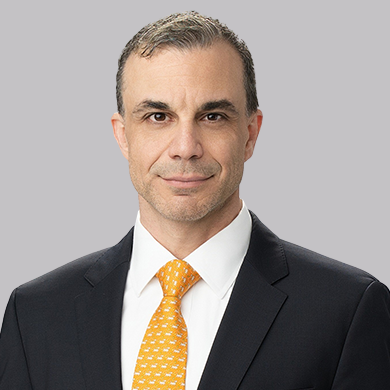
Tony Pavel
Anthony (Tony) Pavel is a partner at Keller and Heckman LLP, in Washington, DC. Tony guides clients through a comprehensive array of food and drug regulatory matters with his extensive knowledge of U.S. Food and Drug Administration (FDA) regulations related to food, food additives and ingredients, dietary supplements, and cosmetics. In addition to FDA matters, Tony assists clients with issues related to the U.S. Federal Trade Commission (FTC), the U.S. Department of Agriculture (USDA), and other regulatory bodies around the world. Prior to joining Keller and Heckman, Tony was in private practice at a major international law firm, followed by in-house positions leading a global food law team at a major food, agricultural, and industrial products producer and Deputy General Counsel, Global Food Law for a consumer biology startup. Tony’s in-house corporate experience helped shape his approach to practical, actionable advice and effective solutions for clients. Tony is frequently invited to speak at domestic and global conferences on food ingredients, food additives, and related policy matters.
Session VI: Ultra-Processed Foods and Emerging Policy Challenges
This session explores the urgent push to define and regulate ultra-processed foods (UPFs) across the U.S. Panelists will analyze the effect of inconsistent state laws to federal definitions, examine food certification programs, and discuss how evolving research will shape national nutrition policies and dietary guidelines.

Martin Hahn
Using his background in food technology and his comprehensive understanding of the laws governing the food industry, Martin Hahn helps clients navigate through the countless regulatory and business issues impacting the industry from farm to table.
He recognizes the demands clients face and finds innovative and creative solutions, particularly when responding to observations raised by regulators during inspections. Whether the issue involves obtaining the authorization of a new food or dietary ingredient, complying with manufacturing requirements, labeling or advertising, product recalls, or enforcement, Martin serves as an effective advisor and advocate.
Martin has handled almost every issue impacting the food industry. He has a comprehensive understanding of the laws affecting the labeling and advertising of foods, dietary supplements, infant formulas, medical foods, and foods for special dietary use. He helps anticipate new trends and develops the data needed to distinguish a client's products from others on the market. Martin uses his understanding of science and technology in the food industry to provide assistance in obtaining regulatory authorizations to market new food ingredients, food packaging materials, and dietary ingredients. He assists in responding to proposed regulations and draft guidance to keep clients informed on the latest trends in class action law suits to help anticipate new regulatory initiatives.
Martin grew up on a farm and worked in food processing plants before going to law school. His hands-on experience in the field and degree in food technology allow him to better understand the challenges his clients face in complying with the laws impacting food manufacturing.

Eva Greenthal
Eva Greenthal is a Senior Policy Scientist at the Center for Science in the Public Interest, a non-profit organization advocating for evidence-based and community-informed policies on nutrition, food safety, and health. Eva provides strategic oversight for the planning, design, and implementation of advocacy and research activities at CSPI, with a focus on food labeling and FDA nutrition policies. As an advocate, Eva centers her passions for scientific rigor, cross-sector collaboration, and systems-level change. Eva’s research publications span a broad range of topics including food insecurity, health literacy, food allergies, food marketing, and food labeling. She holds a dual MS/MPH degree in Food Policy and Applied Nutrition from Tufts University and a BA in Environmental Studies from University of Michigan.
Break
Session VII: The Science, Strategy, and Legal Implications of Advanced Microbial Typing
Advanced microbial typing technologies, including whole-genome sequencing and other strain-typing tools, are transforming how dairy companies investigate pathogens, trace sources, and conduct root-cause analyses. This session will explore both the scientific value and practical challenges of these technologies, including data interpretation, regulatory expectations, legal considerations, and risk-based decision-making. Featuring both scientific and legal perspectives, the discussion will be especially relevant for manufacturers managing risks related to Listeria monocytogenes, Salmonella, and Cronobacter and will provide practical insights for navigating an increasingly data-rich food safety environment.

Martin Wiedmann, DVM, PhD
Martin Wiedmann, Dr. med. vet, Ph.D. is the Gellert Family Professor of Food Safety at Cornell University. Martin received a veterinary degree and a doctorate in Veterinary Medicine from the Ludwig-Maximilians University in Munich, and a Ph.D. in Food Science from Cornell. His research interests focus on farm-to-table microbial food quality and food safety and the application of molecular tools and quantitative and modelling approaches to study the transmission of foodborne pathogens and spoilage organisms. He is particularly well known for his work on Listeria transmission. He and his team are regularly asked to help industry across the world with a range of microbial food safety and quality challenges. He is a fellow of the American Association for the Advancement of Science (AAAS), the Institute of Food Technologists (IFT), the American Academy of Microbiology (AAM), and the International Academy of Food Science and Technology.
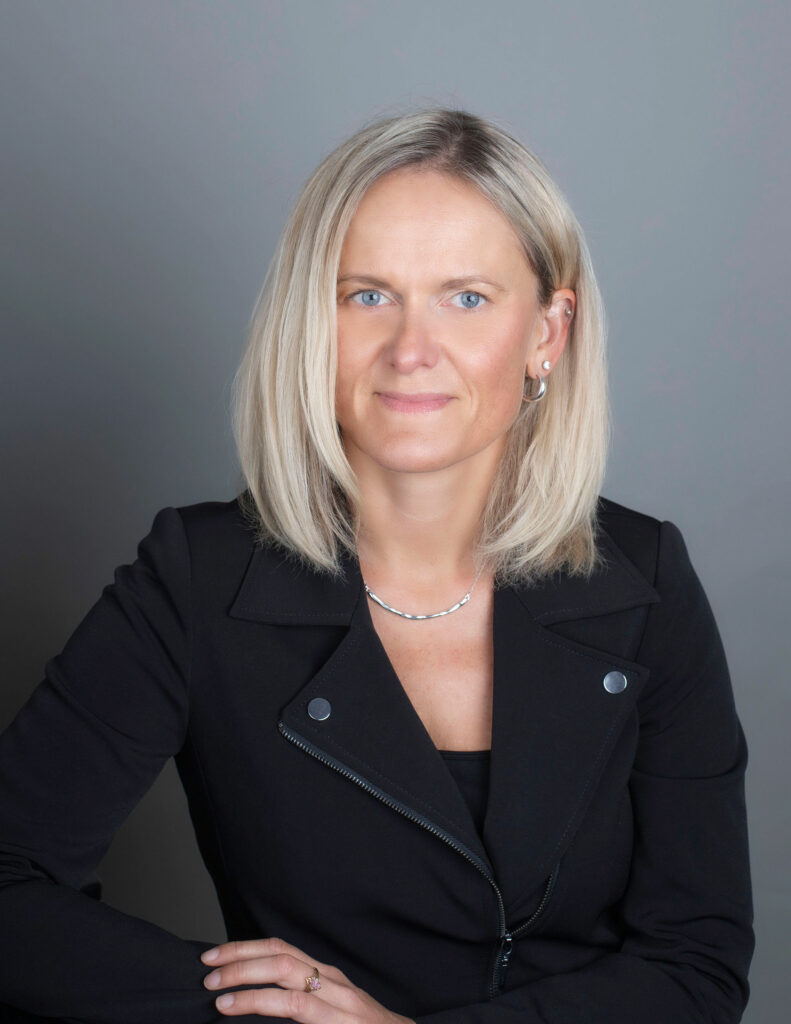
Melanie Neumann
Melanie Neumann is the principal attorney and founder of NAS. Ms. Neumann has invested over 25 years in providing the food and beverage industry with actionable and practical legal and regulatory insights through the lens of enterprise risk management. Topics include without limit: food laws and regulatory compliance, advertising and labeling compliance, intellectual property, corporate contracting, data management, pre-and post-acquisition due diligence, supplier and co-manufacturing contracting and risk assessment, recall and incident management, and other operational and brand reputation risk management solutions.
NAS interacts with various stakeholders on behalf of her clients –from production line operators to CEO’s and CFO’s, regulators to academics, the CDC, and the media--in response to outbreaks, recalls, inspection findings, enforcement actions, complaint management, and alleged illness claims to help resolve incidents by facilitating robust root cause analyses and helping companies identify appropriate corrective actions and other risk mitigations to protect public health and business reputation.
Ms. Neumann is also a professional coach who works with food safety professionals in various stages of their careers helping them to increase effectiveness and impact. She is a thought leader and sought after speaker and author on various topics she specializes in.
Melanie held corporate, food law and food safety positions with leading companies such as Hormel Foods, the Schwan Food Company, Price-Waterhouse Coopers, The Acheson Group, and companies she has launched and sold, and is now leading Neumann Advisory Services, LLC.
Melanie is a graduate of Mitchell-Hamline Law School in St. Paul, MN with a juris doctorate in law degree, and Michigan State University with a Masters of Science in Food Safety. She serves as an adjunct professor at her law school alma mater.
In her spare time, Melanie is a competitive triathlete competing in numerous IRONMAN® full-distance triathlons, including the IRONMAN® World Championships.
Session VIII: FDA Inspection Updates and Compliance and Recall Trends
Explore FDA Human Foods Program efforts to modernize inspectional approaches, prioritize inspections and internal activities of inspectors, including with regard to Grade A dairy plants regulated under the PMO. In addition, trends in noncompliance and recalls and the agency’s enforcement priorities with a focus on dairy processors will be discussed. Join regulatory experts to learn and get your questions answered.

Michael ("Mick") Dutcher, DVM
Dr. Michael (Mick) Dutcher serves as the Deputy Associate Commissioner for Foods in FDA's Office of Inspections and Investigations, leading the Food Products Inspectorate — FDA's largest inspectorate with over 800 staff overseeing human and animal food inspections, investigations, and outbreak response. He has held progressively senior roles at FDA since joining in 2012, including District Director for the Minneapolis District Office and Division Director for HAF West 1, before assuming his current position in 2023. Dr. Dutcher has more than 25 years of federal service, with prior experience at USDA/APHIS and the New York National Guard, where he was commissioned as a captain. He holds a bachelor's degree from the University of Michigan, a Doctor of Veterinary Medicine from Michigan State University, and has completed post-graduate work in pathology and epidemiology at the University of Illinois and the University of Maryland.

Erik Mettler, MPA, MPH
Erik P. Mettler, M.P.A., M.P.H. is the Assistant Commissioner for Integrated Food Safety Systems in the FDA's Human Foods Program (HFP), Office of Integrated Food Safety System Partnerships (OIFSSP). In this role, he leads a full range of HFP's activities to strengthen an integrated food safety system, including the implementation of seamless partnerships and operations among federal, state, local, territorial, and tribal agencies. OIFSSP furthers the goal of advancing FDA's public health mission through collaboration with strategic partners in industry, consumer groups, academia, foreign regulatory authorities, and other stakeholders by encouraging, cultivating, and fostering relationships and cooperative efforts.
Most recently, Mr. Mettler served as the Assistant Commissioner for Partnerships and Policy in the Office of Regulatory Affairs (ORA), where he led several of ORA's cross-cutting activities, including field operational policy, partnerships, implementation of new laws and regulations, and overall strategic planning and prioritization.
Other positions previously held by Mr. Mettler include Associate Commissioner for Foods and Veterinary Medicine in the Office of Foods and Veterinary Medicine (OFVM), Director of the Office of Resource Planning and Strategic Management in OFVM, and Deputy Director for Management and Deputy Executive Officer in FDA's Center for Tobacco Products. His years of experience at the FDA have provided him with a broad perspective on public health, policy, and administrative management, along with a keen awareness of critical issues at all levels of the agency.
Mr. Mettler earned a Master of Public Health from the Rollins School of Public Health at Emory University and a Master of Public Administration from the University of New Mexico.

Ann M. Oxenham, J.D.
As the Director for the Office of Compliance and Enforcement, Ann M. Oxenham is responsible for overseeing three component offices that perform inspection oversight, compliance and enforcement case development and recall activities. Previously, Ms. Oxenham served as Assistant Deputy Chief Counsel for Litigation in FDA’s Office of the Chief Counsel, where she was responsible for assisting in the oversight of all FDA litigation, including civil enforcement, criminal, and defensive matters. Ms. Oxenham has received numerous awards for her service, including the Commissioner’s Award of Excellence and the Award of Merit, FDA’s highest award. Ms. Oxenham graduated Order of the Coif from the University of Maryland School of Law, and from the University of Maryland Baltimore County.
Speakers
Conrad Choiniere, PhD
Director of the Office of Microbiological Food Safety | U.S. Food and Drug Administration Human Foods Program
Conrad Choiniere, PhD
Conrad Choiniere, PhD, is the Director of the Office of Microbiological Food Safety at FDA’s Human Foods Program. He oversees regulatory policy for managing microbial risks in foods and developing strategies for the prevention of foodborne illness. He has been with the Agency for over twenty years working in a variety of roles, in both food safety and tobacco control, primarily focused on risk management and analysis, social and behavioral sciences, and executive leadership. Conrad has a doctorate in agricultural economics from the University of Maryland and a bachelor’s in chemical engineering from the Johns Hopkins University.
Veronica Colas
Partner | Hogan Lovells
Veronica Colas
Veronica is a Partner in Hogan Lovells’ food and beverage regulatory practice in Washington, DC. She has practiced in this area for 15 years, and counsels clients on the regulations and policy issues affecting food companies, ranging from labeling and advertising to product formulation issues. Veronica is a go-to on the state laws that affect packaging for foods and other consumer products, including extended producer responsibility and California’s SB 343. She counsels clients on developing and supporting labeling claims, using her deep understanding of the regulations and litigation environment.
Michael ("Mick") Dutcher, DVM
Deputy Associate Commissioner for Food Products, FDA Office of Inspections and Investigations
Michael ("Mick") Dutcher, DVM
Dr. Michael (Mick) Dutcher serves as the Deputy Associate Commissioner for Foods in FDA's Office of Inspections and Investigations, leading the Food Products Inspectorate — FDA's largest inspectorate with over 800 staff overseeing human and animal food inspections, investigations, and outbreak response. He has held progressively senior roles at FDA since joining in 2012, including District Director for the Minneapolis District Office and Division Director for HAF West 1, before assuming his current position in 2023. Dr. Dutcher has more than 25 years of federal service, with prior experience at USDA/APHIS and the New York National Guard, where he was commissioned as a captain. He holds a bachelor's degree from the University of Michigan, a Doctor of Veterinary Medicine from Michigan State University, and has completed post-graduate work in pathology and epidemiology at the University of Illinois and the University of Maryland.
Eva Greenthal
Senior Policy Scientist | Center for Science in the Public Interest
Eva Greenthal
Eva Greenthal is a Senior Policy Scientist at the Center for Science in the Public Interest, a non-profit organization advocating for evidence-based and community-informed policies on nutrition, food safety, and health. Eva provides strategic oversight for the planning, design, and implementation of advocacy and research activities at CSPI, with a focus on food labeling and FDA nutrition policies. As an advocate, Eva centers her passions for scientific rigor, cross-sector collaboration, and systems-level change. Eva’s research publications span a broad range of topics including food insecurity, health literacy, food allergies, food marketing, and food labeling. She holds a dual MS/MPH degree in Food Policy and Applied Nutrition from Tufts University and a BA in Environmental Studies from University of Michigan.
Martin Hahn
Partner, Global Regulatory | Hogan Lovells
Martin Hahn
Using his background in food technology and his comprehensive understanding of the laws governing the food industry, Martin Hahn helps clients navigate through the countless regulatory and business issues impacting the industry from farm to table.
He recognizes the demands clients face and finds innovative and creative solutions, particularly when responding to observations raised by regulators during inspections. Whether the issue involves obtaining the authorization of a new food or dietary ingredient, complying with manufacturing requirements, labeling or advertising, product recalls, or enforcement, Martin serves as an effective advisor and advocate.
Martin has handled almost every issue impacting the food industry. He has a comprehensive understanding of the laws affecting the labeling and advertising of foods, dietary supplements, infant formulas, medical foods, and foods for special dietary use. He helps anticipate new trends and develops the data needed to distinguish a client's products from others on the market. Martin uses his understanding of science and technology in the food industry to provide assistance in obtaining regulatory authorizations to market new food ingredients, food packaging materials, and dietary ingredients. He assists in responding to proposed regulations and draft guidance to keep clients informed on the latest trends in class action law suits to help anticipate new regulatory initiatives.
Martin grew up on a farm and worked in food processing plants before going to law school. His hands-on experience in the field and degree in food technology allow him to better understand the challenges his clients face in complying with the laws impacting food manufacturing.
William Hallman, PhD
Distinguished Professor, Department of Human Ecology; Member of the Graduate Faculties, Department of Nutritional Sciences and the Bloustein School of Planning and Public Policy | Rutgers
William Hallman, PhD
Dr. William K. Hallman is a Distinguished Professor in the Department of Human Ecology and a member of the graduate faculties of the Department of Nutritional Sciences and the Bloustein School of Planning and Public Policy at Rutgers, the State University of New Jersey. He is a research psychologist whose scholarship and teaching focus on helping people understand and make better-informed decisions about the risks and benefits associated with food, health, technology, and the environment. His research includes seminal studies on Americans’ knowledge, beliefs, attitudes, and behaviors regarding food safety, foodborne illness, and food recalls.
He has authored more than 250 papers, chapters, reports, and other publications, and has delivered over 600 presentations in more than 40 countries. He has served as an advisor to national and international governmental and non-governmental organizations in the food and agriculture sectors, as a consultant to private companies, and as an expert witness in litigation.
Dr. Hallman is an elected Fellow of the American Association for the Advancement of Science (AAAS) and an elected Fellow of the Society for Risk Analysis (SRA). He has served as Chair of the Department of Human Ecology and as Director of the Rutgers Food Policy Institute, and as Chair of the US Food and Drug Administration (FDA)’s Risk Communication Advisory Committee. He also served as a U.S. Delegate to the Asia-Pacific Economic Cooperation (APEC) Food Safety Cooperation Forum, which published the APEC Food Safety Risk Communication Framework and Associated Guidelines.
He is a co-author of the Risk Communication Applied to Food Safety Handbook, published by the Food and Agriculture Organization of the United Nations and the World Health Organization. He has also served on multiple committees of the National Academies of Sciences, Engineering, and Medicine (NASEM), including the Standing Committee on Advancing Science Communication, which published Communicating Science Effectively: A Research Agenda. He was Co-Chair of the NASEM Climate Communications Initiative and currently serves on NASEM’s Climate Crossroads advisory committee.
Paul Hanlon
Director of Regulatory Affairs | Abbott Nutrition
Paul Hanlon
Paul is currently a Director of Regulatory Affairs at Abbott Nutrition where is responsible for a team supporting product innovation. As a board-certified toxicologist, Paul has coordinated the submission of novel food petitions to multiple regulatory agencies, including the US FDA, and has co-authored several papers on food risk assessment including the Generally Recognized As Safe (GRAS) process. He participates in multiple trade associations and currently serves as the president of the Association for Sustainable Food Safety (ASFS) and the chair of the Food Additive Working Group of the International Special Dietary Foods Industries (ISDI).
Mark Hartman
Director of the Office of Food Chemical Safety, Dietary Supplements and Innovation | U.S. Food and Drug Administration Human Foods Program
Mark Hartman
Mark has 35 years of experience working on chemical risk assessment and risk management issues in the federal government. Mark is currently the Director of the Office of Food Chemical Safety, Dietary Supplements and Innovation in the Human Food Program at FDA. His office is responsible for pre-market food chemical reviews including GRAS notices, food additive petitions, color additive petitions and food contact notifications. His office also is responsible for the dietary supplement regulatory program, the post market review program for food chemicals in the nation’s food supply, the contaminants program including Closer to Zero and biotech. Prior to joining FDA, Mark spending 27 years at the Environmental Protection Agency (EPA). Mark served as Deputy Director of the Office of Pollution Prevention and Toxics where he was responsible for administering the implementation of the Toxic Substances Control Act (TSCA) with an emphasis on oversight of the post-market chemicals prioritization, risk evaluation and risk management programs. Prior to this role, Mark served in multiple leadership positions in the Office of Pesticide Programs overseeing pre- and post-market risk assessment and regulatory work for pesticides. He holds master’s degrees from George Washington University and Syracuse University.
Claudine Kavanaugh, PhD, MPH, RD
Director of the Office of Nutrition and Food Labeling | U.S. Food and Drug Administration
Claudine Kavanaugh, PhD, MPH, RD
Dr. Kavanaugh is the Director of the Office of Nutrition and Food Labeling at the U.S. Food and Drug Administration. She has been with the FDA for 23 years and prior to leading ONFL, Dr. Kavanaugh led the Agency’s initiatives related to restaurant menu labeling and updating the nutrition facts label. Prior to joining the FDA, Dr. Kavanaugh was a cancer prevention fellow at the National Cancer Institute. Dr. Kavanaugh received her Ph.D. in nutrition from Purdue University and a Master’s in Public Health from Johns Hopkins University. She is also registered dietitian.
Erik Mettler, MPA, MPH
Assistant Commissioner for Integrated Food Safety Systems, Human Foods Program | U.S. Food and Drug Administration
Erik Mettler, MPA, MPH
Erik P. Mettler, M.P.A., M.P.H. is the Assistant Commissioner for Integrated Food Safety Systems in the FDA's Human Foods Program (HFP), Office of Integrated Food Safety System Partnerships (OIFSSP). In this role, he leads a full range of HFP's activities to strengthen an integrated food safety system, including the implementation of seamless partnerships and operations among federal, state, local, territorial, and tribal agencies. OIFSSP furthers the goal of advancing FDA's public health mission through collaboration with strategic partners in industry, consumer groups, academia, foreign regulatory authorities, and other stakeholders by encouraging, cultivating, and fostering relationships and cooperative efforts.
Most recently, Mr. Mettler served as the Assistant Commissioner for Partnerships and Policy in the Office of Regulatory Affairs (ORA), where he led several of ORA's cross-cutting activities, including field operational policy, partnerships, implementation of new laws and regulations, and overall strategic planning and prioritization.
Other positions previously held by Mr. Mettler include Associate Commissioner for Foods and Veterinary Medicine in the Office of Foods and Veterinary Medicine (OFVM), Director of the Office of Resource Planning and Strategic Management in OFVM, and Deputy Director for Management and Deputy Executive Officer in FDA's Center for Tobacco Products. His years of experience at the FDA have provided him with a broad perspective on public health, policy, and administrative management, along with a keen awareness of critical issues at all levels of the agency.
Mr. Mettler earned a Master of Public Health from the Rollins School of Public Health at Emory University and a Master of Public Administration from the University of New Mexico.
Melanie Neumann
Founder | Neumann Advisory Services
Melanie Neumann
Melanie Neumann is the principal attorney and founder of NAS. Ms. Neumann has invested over 25 years in providing the food and beverage industry with actionable and practical legal and regulatory insights through the lens of enterprise risk management. Topics include without limit: food laws and regulatory compliance, advertising and labeling compliance, intellectual property, corporate contracting, data management, pre-and post-acquisition due diligence, supplier and co-manufacturing contracting and risk assessment, recall and incident management, and other operational and brand reputation risk management solutions.
NAS interacts with various stakeholders on behalf of her clients –from production line operators to CEO’s and CFO’s, regulators to academics, the CDC, and the media--in response to outbreaks, recalls, inspection findings, enforcement actions, complaint management, and alleged illness claims to help resolve incidents by facilitating robust root cause analyses and helping companies identify appropriate corrective actions and other risk mitigations to protect public health and business reputation.
Ms. Neumann is also a professional coach who works with food safety professionals in various stages of their careers helping them to increase effectiveness and impact. She is a thought leader and sought after speaker and author on various topics she specializes in.
Melanie held corporate, food law and food safety positions with leading companies such as Hormel Foods, the Schwan Food Company, Price-Waterhouse Coopers, The Acheson Group, and companies she has launched and sold, and is now leading Neumann Advisory Services, LLC.
Melanie is a graduate of Mitchell-Hamline Law School in St. Paul, MN with a juris doctorate in law degree, and Michigan State University with a Masters of Science in Food Safety. She serves as an adjunct professor at her law school alma mater.
In her spare time, Melanie is a competitive triathlete competing in numerous IRONMAN® full-distance triathlons, including the IRONMAN® World Championships.
Ann M. Oxenham, J.D.
Director, Office of Compliance and Enforcement (OCE) | U.S. Food and Drug Administration
Ann M. Oxenham, J.D.
As the Director for the Office of Compliance and Enforcement, Ann M. Oxenham is responsible for overseeing three component offices that perform inspection oversight, compliance and enforcement case development and recall activities. Previously, Ms. Oxenham served as Assistant Deputy Chief Counsel for Litigation in FDA’s Office of the Chief Counsel, where she was responsible for assisting in the oversight of all FDA litigation, including civil enforcement, criminal, and defensive matters. Ms. Oxenham has received numerous awards for her service, including the Commissioner’s Award of Excellence and the Award of Merit, FDA’s highest award. Ms. Oxenham graduated Order of the Coif from the University of Maryland School of Law, and from the University of Maryland Baltimore County.
Tony Pavel
Partner, Keller Heckman
Tony Pavel
Anthony (Tony) Pavel is a partner at Keller and Heckman LLP, in Washington, DC. Tony guides clients through a comprehensive array of food and drug regulatory matters with his extensive knowledge of U.S. Food and Drug Administration (FDA) regulations related to food, food additives and ingredients, dietary supplements, and cosmetics. In addition to FDA matters, Tony assists clients with issues related to the U.S. Federal Trade Commission (FTC), the U.S. Department of Agriculture (USDA), and other regulatory bodies around the world. Prior to joining Keller and Heckman, Tony was in private practice at a major international law firm, followed by in-house positions leading a global food law team at a major food, agricultural, and industrial products producer and Deputy General Counsel, Global Food Law for a consumer biology startup. Tony’s in-house corporate experience helped shape his approach to practical, actionable advice and effective solutions for clients. Tony is frequently invited to speak at domestic and global conferences on food ingredients, food additives, and related policy matters.
Jennifer Pomeranz, JD, MPH
Associate Professor at the School of Global Public Health | New York University
Jennifer Pomeranz, JD, MPH
Jennifer L. Pomeranz, JD, MPH is an Associate Professor at the School of Global Public Health at New York University. Her research examines public health law and policy with a focus on the food environment. Ms. Pomeranz has published over one-hundred articles in leading peer review journals and is the author of Food Law for Public Health and the first author of the textbook Public Health Law, both published by Oxford University Press. She is also the co-author of a legal textbook, Food Law and Policy, forthcoming, to be published by Carolina Academic Press.
Wendy Reinhardt Kapsak
President and CEO, International Food Information Council (IFIC)
Wendy Reinhardt Kapsak
Wendy Reinhardt Kapsak, MS, RDN is President and CEO of the International Food Information Council (IFIC), a nonprofit 501c(3) research and education foundation focused on effectively communicating science-based information about food safety, nutrition, and sustainable food systems, serving the public good.
Prior to joining IFIC, Wendy served as the President and CEO of the Produce for Better Health Foundation (PBH) (now known as the Foundation for Fresh Produce). At PBH, she guided the Foundation’s efforts with hundreds of public and private partners to advance fruit and vegetable consumption for happier, healthier lives. Under her leadership and through a two-year transformation, the organization launched the Have A Plant® Movement in 2019, which today inspires millions of consumers to eat and enjoy more fruits and vegetables every day.
From 2012 to 2016, Reinhardt Kapsak held multiple leadership positions in the Food, Nutrition & Health Partnerships as well as Corporate Engagement verticals at what is now known as Bayer Crop Science. While in these roles, her efforts focused on connecting the food, nutrition, culinary, and agriculture communities for greater understanding, collaboration, and innovation.
Wendy returned to IFIC after a previous tenure from 2000–2012, including service as Senior Director, Health & Wellness. During this time, she directed food and nutrition communication strategies, including consumer research, opinion leader and media outreach, as well as publications and partnerships, for multiple food safety, nutrition, and agriculture issues.
Wendy earned bachelor’s and master’s degrees in nutrition and exercise science from the University of Missouri, Columbia, and James Madison University, respectively. She completed her dietetic internship at Yale-New Haven Hospital — an affiliate of the Yale University School of Medicine.
Jared Rothstein
Research Director | AgencyIQ
Jared Rothstein
Jared is a research director at POLITICO’s AgencyIQ and oversees the organization’s food regulatory research division. Jared previously worked at the Consumer Brands Association, where he served as a subject matter expert on regulatory matters on behalf of major food, beverage, personal care, and household product brands. Prior to Consumer Brands, he engaged in regulatory affairs and advocacy at SOCMA, focusing on chemical and environmental regulations on behalf of the specialty chemical industry. Jared also previously worked in association management and consulting at Kellen, supporting a variety of clients in the building and construction products sector. He received a Bachelor of Arts in political science from George Washington University and resides in Washington, DC.
Scarlett Salem, MPH, MS
Senior Research Analyst | AgencyIQ
Scarlett Salem, MPH, MS
Scarlett is a Senior Research Analyst in AgencyIQ’s food and chemicals divisions. She previously worked as a consumer safety officer at the FDA, developing and implementing regulations and guidance for the safety of fresh produce. She also assisted with the development of education, outreach, and training activities for the produce safety program. In her most recent role, she worked as a writer/editor with the FDA’s Center for Drug Evaluation and Research developing public-facing editorial content covering regulatory and drug-related actions. She also has experience writing for several regional and national publications covering news, features, health, and fitness.
She holds a master’s in public health, a master’s in biology, and a graduate certificate in health communications.
Martin Wiedmann, DVM, PhD
Gellert Family Professor in Food Safety, Food Science | Cornell University College of Agriculture and Life Sciences
Martin Wiedmann, DVM, PhD
Martin Wiedmann, Dr. med. vet, Ph.D. is the Gellert Family Professor of Food Safety at Cornell University. Martin received a veterinary degree and a doctorate in Veterinary Medicine from the Ludwig-Maximilians University in Munich, and a Ph.D. in Food Science from Cornell. His research interests focus on farm-to-table microbial food quality and food safety and the application of molecular tools and quantitative and modelling approaches to study the transmission of foodborne pathogens and spoilage organisms. He is particularly well known for his work on Listeria transmission. He and his team are regularly asked to help industry across the world with a range of microbial food safety and quality challenges. He is a fellow of the American Association for the Advancement of Science (AAAS), the Institute of Food Technologists (IFT), the American Academy of Microbiology (AAM), and the International Academy of Food Science and Technology.
Registration fees are based on your company's IDFA membership status. For more information about membership, please email membership@idfa.org.

Registration Substitutions
Registration is non-transferable from one company to another; however substitutions within companies are welcome at any time. Please email registrar@idfa.org if you would like to make a registration substitution.
Registration Cancellation Policy
Registration cancellations received in writing will be accepted prior to October 18, 2026 for a full refund. Your registration fee is non-refundable after October 18, 2026. Substitutions may be made without penalty. All cancellations and substitutions must be received in writing at registrar@idfa.org.
Questions: If you have questions or need assistance with the registration process, please contact IDFA at (202) 737-4332 or registrar@idfa.org.